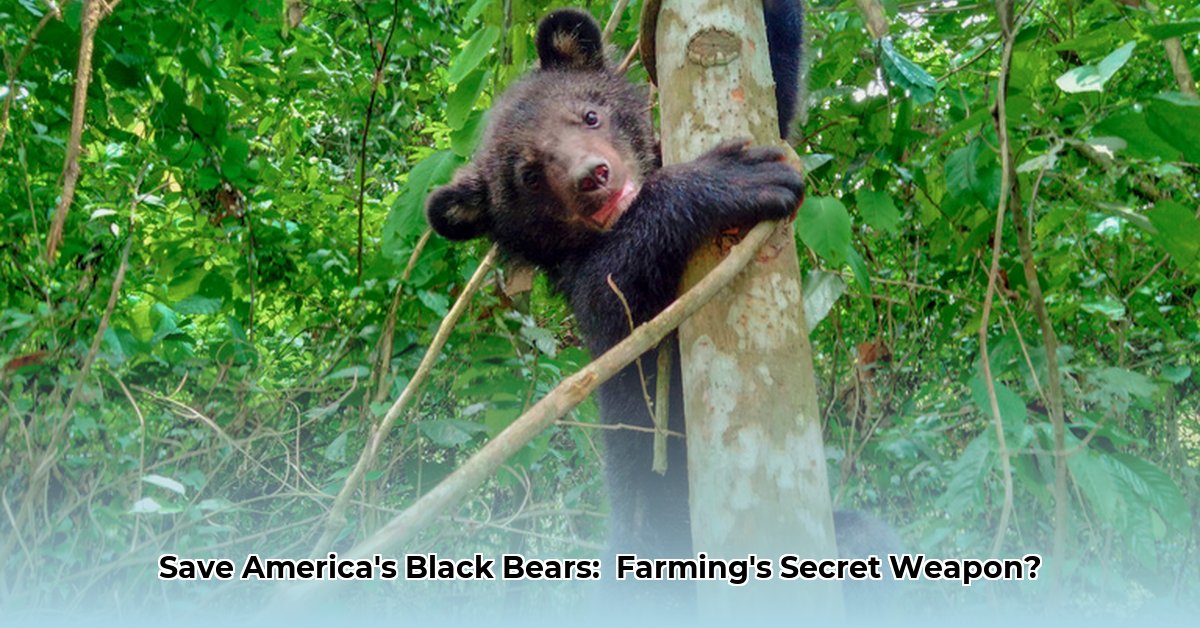
American Black Bear Conservation: A Partnership for Survival
American black bears, majestic symbols of the wild, are facing increasing pressure. Habitat loss, driven in part by agricultural practices, is a significant threat. But the story isn't entirely bleak. This article explores the challenges facing black bears, highlights proven conservation strategies, and emphasizes the crucial role of sustainable agriculture in ensuring their future. It’s a story of conflict, innovation, and the burgeoning partnership between humans and wildlife. Can we build a future where both farms and bears thrive? The answer, increasingly, is yes. For more on bear conservation efforts, check out this great resource.
Understanding the Human-Bear Conflict
The primary challenge is the conflict between human activities and black bear behavior. Bears, naturally opportunistic, are drawn to easy food sources near human settlements – livestock feed, spilled grain, and even garbage. This leads to crop damage, property destruction, and, tragically, sometimes lethal encounters. But this isn't an unsolvable problem. Conservationists and farmers are forging innovative solutions that protect both humans and bears.
"The key isn't to eliminate bears from the landscape, but to minimize conflict," explains Dr. Emily Carter, Wildlife Biologist at the University of Montana. "By finding ways to ensure bears can access natural food sources and avoiding attracting them to human settlements, we can create a more sustainable coexistence."
This requires a multi-pronged approach, focusing on preventative measures that reduce the likelihood of bears venturing onto farms in the first place, and conflict mitigation strategies to address encounters when they happen.
Smart Farming: Protecting Crops and Bears
Sustainable farming practices are the cornerstone of peaceful coexistence. The focus shifts from conflict mitigation to proactively reducing the reasons for conflict. Here we highlight key strategies:
Electric Fencing: Electric fencing acts as an invisible, yet effective barrier, gently deterring bears from entering sensitive areas. This humane method has proven highly effective, with success rates exceeding 90% in many documented cases. This is a proactive approach, preventing conflicts before they arise.
Secure Food Storage: Simple yet vital, secure food storage dramatically reduces the incentive for bears to approach farms. Bear-resistant containers and properly secured garbage bins eliminate easily accessible food sources, a critical component in conflict reduction. "We need to make it harder for bears to find food near farms," says John Miller, a farmer from Montana who's successfully integrated these practices for years. "It's about removing the temptation, not punishing the bears."
Habitat Restoration and Buffer Zones: Creating buffer zones of dense vegetation between forests and farmland acts as a natural barrier, making it harder for bears to enter fields accidentally or deliberately. Similiarly, restoring natural foraging areas within bear habitats ensures they have access to natural food, lessening their dependence on farm resources.
Bear-Resistant Crops: Research is ongoing into developing crops less appealing to bears, minimizing the allure of farms. Choosing these varieties can further reduce the incentives for bears to raid crops. The long-term potential for this approach is significant.
Protecting Beehives: Beekeepers are also adapting, using electric fencing, stronger enclosures, and better hive placement to minimize bear interactions. The protection of beehives is not only crucial for honey production but also for environmental sustainability and pollination.
Community Engagement: A Shared Responsibility
The success of black bear conservation depends heavily on community involvement. Educational programs and communication are paramount, fostering a shared understanding of bear behavior and conflict prevention. Collaboration between farmers, landowners, and wildlife agencies is essential for creating effective and sustained conservation strategies. This isn't about assigning blame, it's about shared responsibility and working together to create a landscape where both humans and bears can thrive.
Key takeaway: Building strong community relationships is crucial for successful, sustainable bear conservation. Shared responsibility and collaborative action are key to success.
Monitoring and Research: A Data-Driven Approach
Data plays a significant role in successful conservation efforts. Long-term monitoring programs track bear populations, movements, and instances of conflict. This provides crucial information to refine existing strategies, identify areas needing improvement, and develop innovative new solutions. Research into bear behavior and habitat preferences is critical for optimizing management practices and improving the long-term effectiveness of conservation strategies.
A Sustainable Future: Coexistence, Not Conflict
The ultimate goal is not to choose between farms and bears, but to create a system where both can flourish. Sustainable farming practices offer a pathway to achieve this vision. By minimizing conflict and maximizing coexistence, we create a future where both humans and wildlife can share the land successfully. It requires a multifaceted approach, combining proactive measures, community engagement, and ongoing research – a commitment that will benefit both people and wildlife for generations to come. The journey is ongoing, but the path toward a sustainable solution is becoming clearer with every innovative step taken.